Callahan Walsh Criticizes Police Handling of Savannah Guthrie’s Mother’s Disappearance
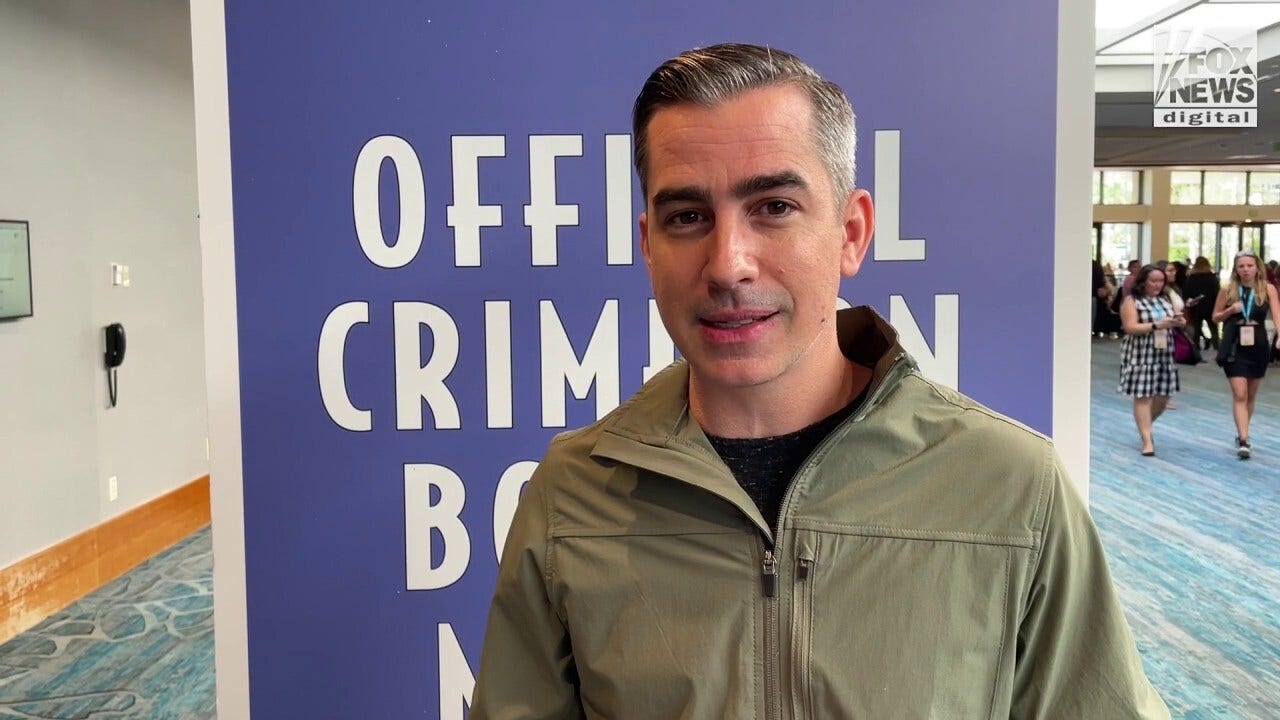
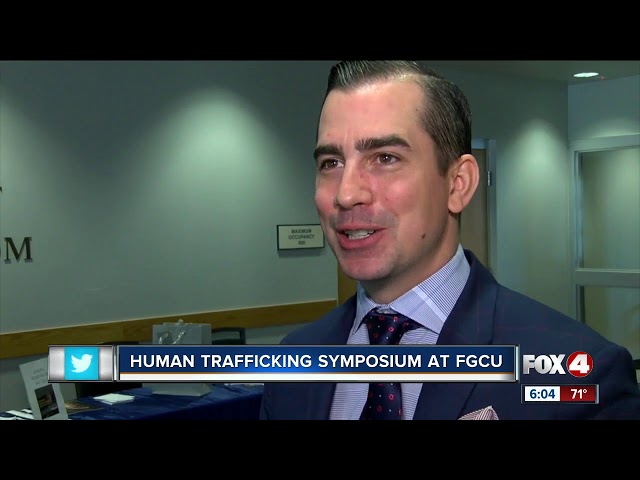
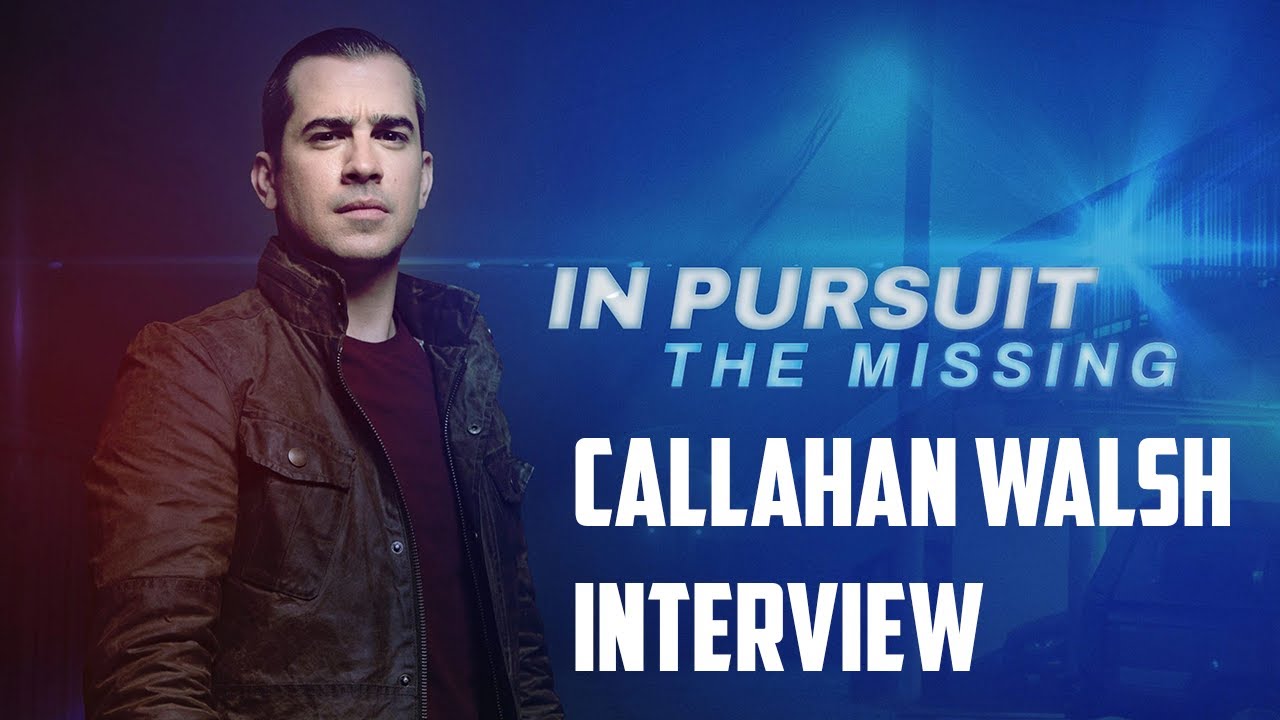
Callahan Walsh, a longtime friend of Savannah Guthrie, has recently voiced strong criticism regarding the law enforcement agencies involved in the investigation into the disappearance of Savannah’s mother. Walsh bluntly stated that police errors and flawed investigative techniques from the very beginning have caused the case to stall and complicated efforts to find answers. His comments shed light on potential shortcomings within the police procedures and raise questions about how such mistakes may have hindered progress.
Police Mistakes and Their Impact on the Investigation

According to Callahan Walsh, the investigation into Savannah Guthrie’s mother’s disappearance was compromised early on due to the use of inappropriate investigative methods. Walsh emphasized that from the initial stages, law enforcement failed to apply the correct protocols, which resulted in critical evidence being overlooked or mishandled. This mismanagement, he argues, has significantly slowed down the process and diminished the chances of a timely resolution.
Walsh’s critique points to a broader issue within police investigations where procedural errors can have lasting consequences. In cases involving missing persons, the first 48 hours are often crucial for gathering leads and securing evidence. Any missteps during this period can lead to lost opportunities and increased difficulty in tracking the missing individual’s whereabouts.
What Went Wrong? Analyzing the Investigative Approach
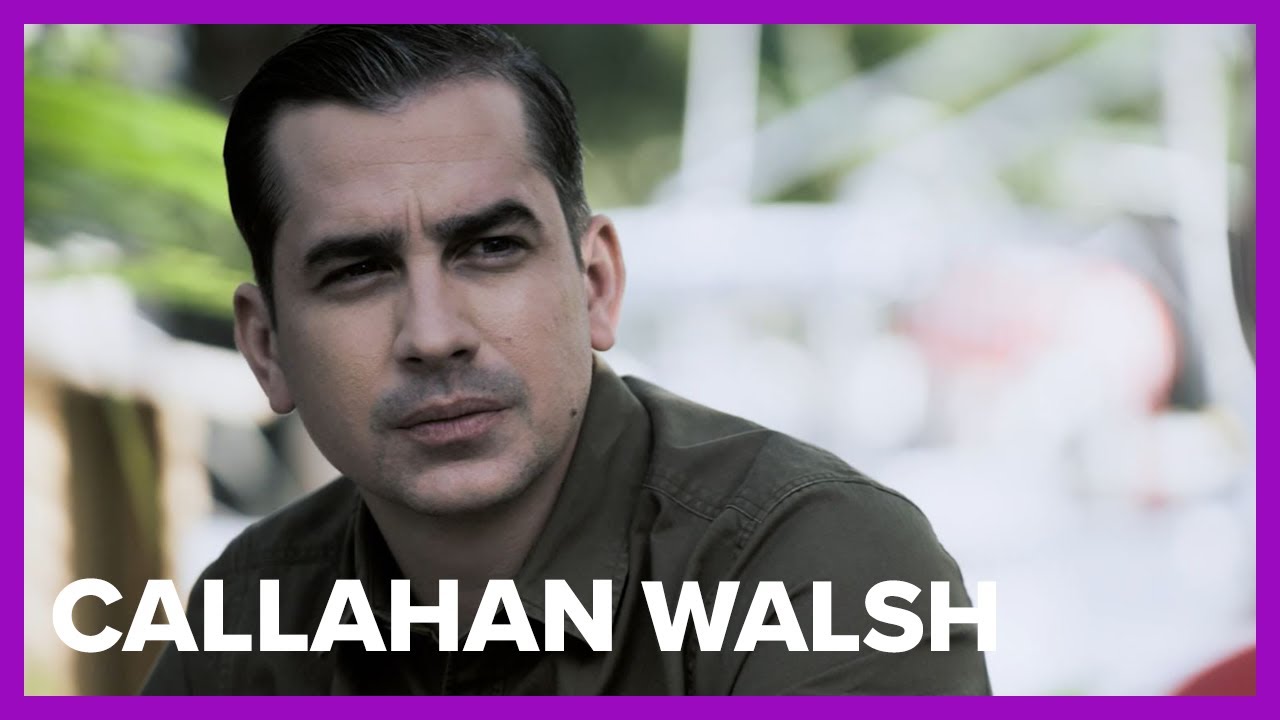
While specific details of the police errors have not been fully disclosed, Walsh’s statements suggest that the investigative team may have relied on outdated or ineffective techniques. This could include improper evidence collection, failure to interview key witnesses promptly, or inadequate coordination among different law enforcement units.
Experts in criminal investigations stress the importance of using a methodical and evidence-based approach from the outset. When these standards are not met, it can result in confusion, misdirection, and ultimately, stalled investigations. Walsh’s observations highlight the need for law enforcement agencies to continually update their training and protocols to avoid such pitfalls.
Moreover, Walsh’s public criticism serves as a call for greater transparency and accountability in how missing persons cases are handled. Families and friends of missing individuals often depend heavily on police efficiency and thoroughness, and any shortcomings can exacerbate their distress.
The Broader Implications for Missing Persons Cases
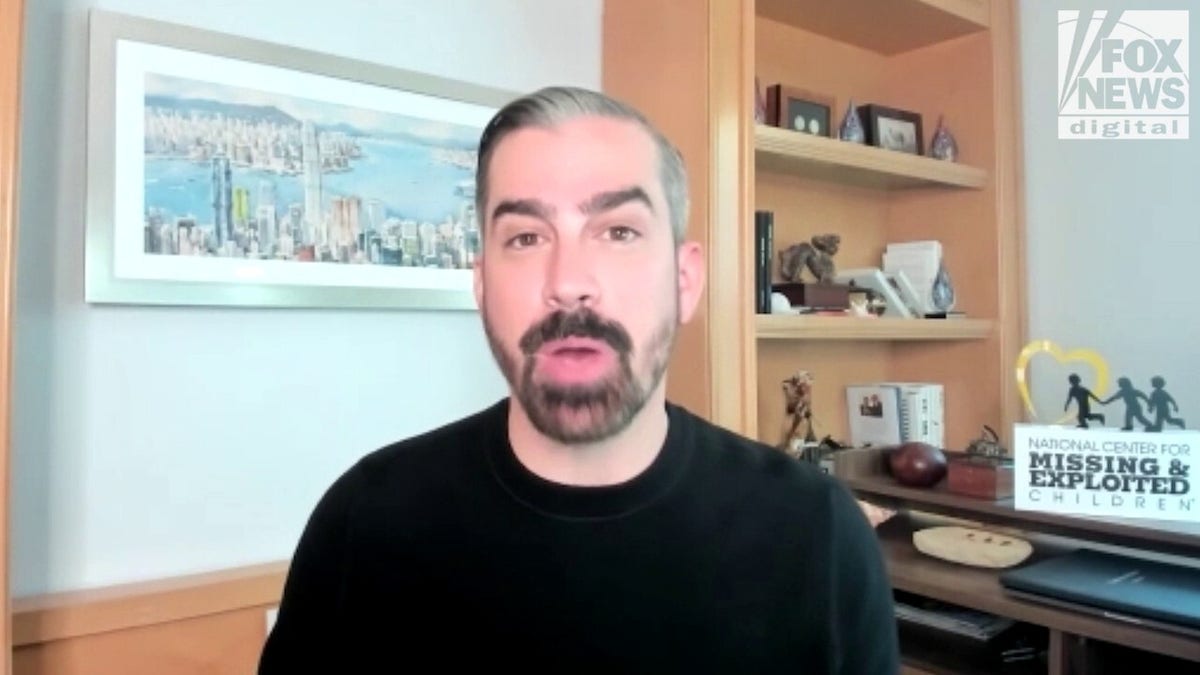
The situation surrounding Savannah Guthrie’s mother’s disappearance is not unique. Many missing persons investigations face challenges due to limited resources, bureaucratic hurdles, and sometimes human error. Walsh’s comments underscore the importance of learning from these mistakes to improve future responses.
Law enforcement agencies are increasingly adopting technology-driven tools such as digital forensics, geographic profiling, and data analytics to enhance investigative accuracy. However, the human element—training, experience, and adherence to best practices—remains critical.
Public awareness and advocacy can also play a role in pushing for reforms that ensure missing persons cases receive the attention and expertise they deserve. Walsh’s outspoken stance may inspire others to demand higher standards and better support for affected families.
Conclusion

Callahan Walsh’s candid criticism of the police handling of Savannah Guthrie’s mother’s disappearance highlights significant concerns about investigative errors and their impact on the case’s progress. His remarks call attention to the necessity for law enforcement to employ proper investigative methods from the very beginning to avoid delays and increase the chances of resolution. For families and communities affected by missing persons cases, Walsh’s perspective serves as a reminder of the importance of accountability and continuous improvement in police procedures.
If you or someone you know is affected by a missing persons case, stay informed and advocate for thorough and timely investigations. Sharing this article can help raise awareness about the critical need for effective law enforcement practices in such sensitive situations.