
Arizona Sheriff Faces Backlash and Recall Efforts Amid Nancy Guthrie Investigation
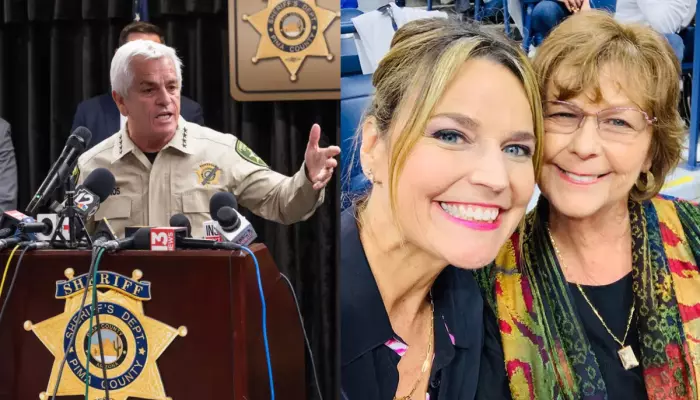
Chris Nanos, who is the Arizona sheriff who has been in charge of the Nancy Guthrie investigation, has received a lot of criticism for his handling of the case, as the 84-year-old has been missing for 45 days.
And it seems, he is now facing a “massive recall drive from furious locals,” The New York Post reports. This was confirmed to the outlet by Daniel Butierez, a Republican congressional candidate, who said that he has initiated the recall process, with 500 volunteers working to collect signatures to remove Nanos.
“This is a bipartisan effort. It’s not like we’re trying to get signatures from one party or the other,” Butierez told The Post. “He has been an embarrassment to Tucson and to Pima County with this Nancy Guthrie case.”
He further added that Pima County deputies have expressed their frustrations, wanting Nanos removed from office, but didn’t want to take action as they were “afraid of repercussions from Sheriff Nanos.”
All Family Members Passed Polygraph Tests: REPORT
During the March 16 episode of The Megyn Kellyy Show, Chad Ayers, who is a former SWAT team leader, spoke about the latest developments in the case, saying that he heart “from a very, very reliable source that is boots on the ground there that the FBI and the Pima County Sheriff’s Office have no leads. No solid suspects.”
He further added that ” has been confirmed this morning—and I’m sure we all assume this—that every family member passed polygraphs with flying colors.”
That includes Savannah, her sister, Annie Guthrie, brother-in-law, Tomasso Cioni, and brother, Camron Guthrie.
Expert Reveals How Chris Nanos Made Another Critical Mistake In Nancy Guthrie Case
 Getty
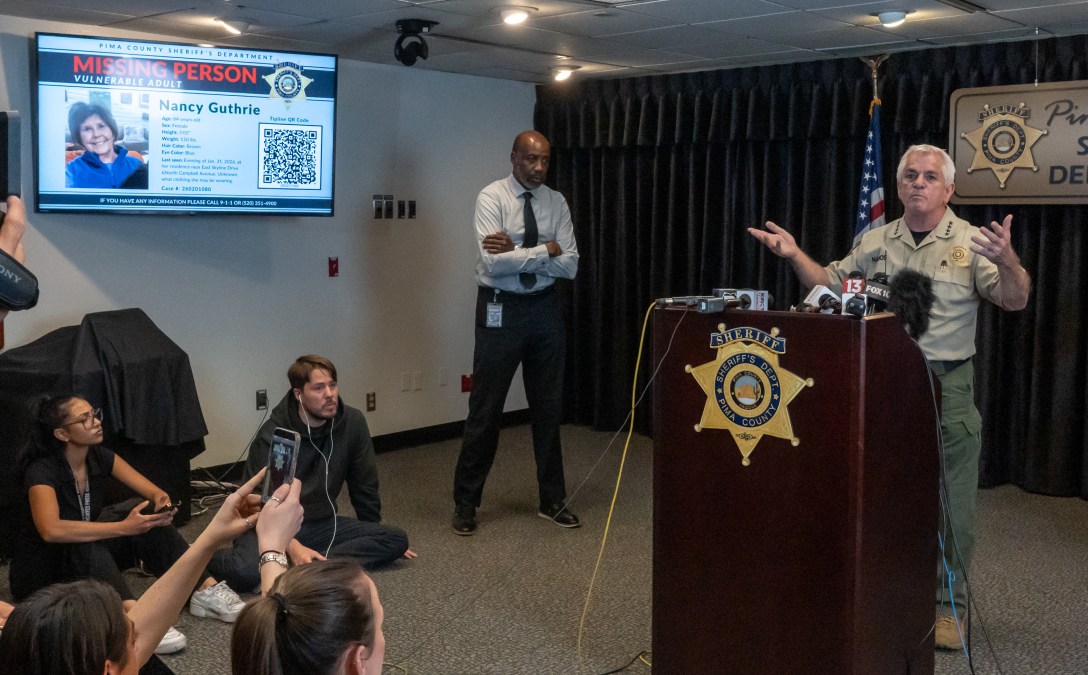
GettyLast week, Sheriff Chris Nanos warned the Arizona community that Nancy Guthrie’s abduction appeared to be “targeted,” and the perpetrators could strike again.
However, when speaking with Page Six, former FBI agent Jason Pack detailed why that might have been a mistake.
“From my experience as a crisis communications practitioner, where it gets complicated is when, in that same interview, he suggests the suspect could strike again. Once you put that out there, every person watching wants to know who’s at risk and what they ought to do about it.”
“If you can’t answer those questions, you probably shouldn’t lead with that statement. A warning without context doesn’t necessarily protect people. It worries them. And it sits a little uneasily alongside the ‘targeted attack’ framing he’s also offered.”
