
Kamala Harris has been at the center of political storms before, but nothing could have prepared Democrats—or even her critics—for what unfolded this week. In a single sweep of public remarks, viral commentary, and cultural backlash, Harris found herself caught in a moment that exploded across the internet and split the country right down the middle. Her supporters were stunned. Her critics were energized. And millions watching from home were left wondering whether this was the moment that would reshape the Democratic Party’s future.
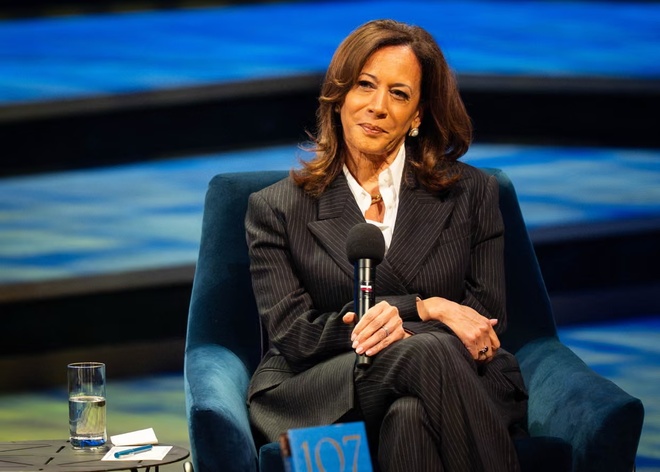
The shockwave began not with a press conference or a national address, but with a video—one that quickly surged across YouTube as viewers clicked in disbelief. “You’re not going to believe what you’re about to hear,” the creator warned at the start. That familiar opening line, often used to hook viewers, was different this time. Because moments later, the clip revealed a version of Kamala Harris that many Americans had never seen before and were not prepared for.
The video’s host thanked subscribers, urged viewers to stick around until the end, and steered thousands toward a new backup channel that would soon become his main platform. But then the tone shifted sharply. The screen cut, and Kamala Harris appeared—laughing, commenting, and engaging in a way that felt off-script, unfiltered, and shockingly casual for someone in her position. It was the kind of camera moment that, once captured online, takes on a life of its own.
“You bring people so much joy,” Harris said in the clipped footage, part-flattering, part-teasing, and completely unguarded. Viewers reacted instantly. Some loved the spontaneity. Others questioned the seriousness of a leader who seemed to be joking while her party was fighting battles on every political front. But the real political explosion came when the commentary turned sharply toward the issues at the core of the country’s political divide: trust, credibility, and who truly understands the concerns of ordinary Americans.
“Do some not realize what’s been happening these last few years?” the narrator asked, echoing the frustration that millions of disaffected voters have felt. “Why did people make a decision in November to get change done?”
The shift was unmistakable—and jarring for Democrats. The video’s narrative argued that Donald Trump had resonated with voters not because of his personality or his controversies, but because he understood what ordinary people were concerned about. Whether viewers agreed or not, the argument landed with force. It tapped directly into the national conversation about political disconnect, the feeling that those in Washington had drifted far from the everyday realities Americans face.
Trump’s supporters have long insisted that he spoke plainly about crime, the economy, border concerns, and cultural tensions. But what stung Democrats more was the suggestion that Harris—one of the party’s most visible leaders—had not only lost touch but had become a symbol of the disconnect itself.
The video dissected her communication style, mocking the “word salads,” the awkward interviews, and the viral clips of laughter that critics often point to as evidence she lacks seriousness. Online, those moments have become cultural lightning rods. In the YouTube video, they were weaponized with precision.
But then the commentary took an even sharper turn.
The narrator accused Harris of being completely out of sync with the people she claimed to represent, arguing that while the country faced rising concerns, inflation, distrust, and social tension, she seemed preoccupied with image, optics, and identity battles that voters were exhausted by. And it didn’t stop there.
One moment in the transcript went viral instantly: Harris joking about “white dudes,” prompting critics to accuse her of embracing identity politics while alienating the very demographic Democrats have struggled to win back. The clip was replayed repeatedly. Political commentators on both sides weighed in. Supporters said it was harmless banter. Opponents called it deeply irresponsible.
But the YouTube commentator added gasoline to the fire.
“She wanted a white guy as her husband,” he said, “but made the rest of us white guys feel like we weren’t wanted.”
That single line set off a cultural debate that surged across comment sections, forums, and social platforms. Some dismissed it as trolling. Others argued that it touched on a real frustration: the feeling among some voters that political leaders blame entire groups for societal problems without offering solutions.
And then came the moment that shocked even viewers who thought they had seen everything in American politics. A video clip surfaced of Governor Kathy Hochul—described in the transcript as “Governor Kokul”—at a Buffalo Bills bar, blowing bubbles and celebrating while men nearby tried to watch the football game. The narrator framed the moment as symbolic of a larger problem: elected officials appearing out of touch, unserious, or performative at a time when voters wanted competence and stability.
“That was all bad,” the narrator said bluntly.
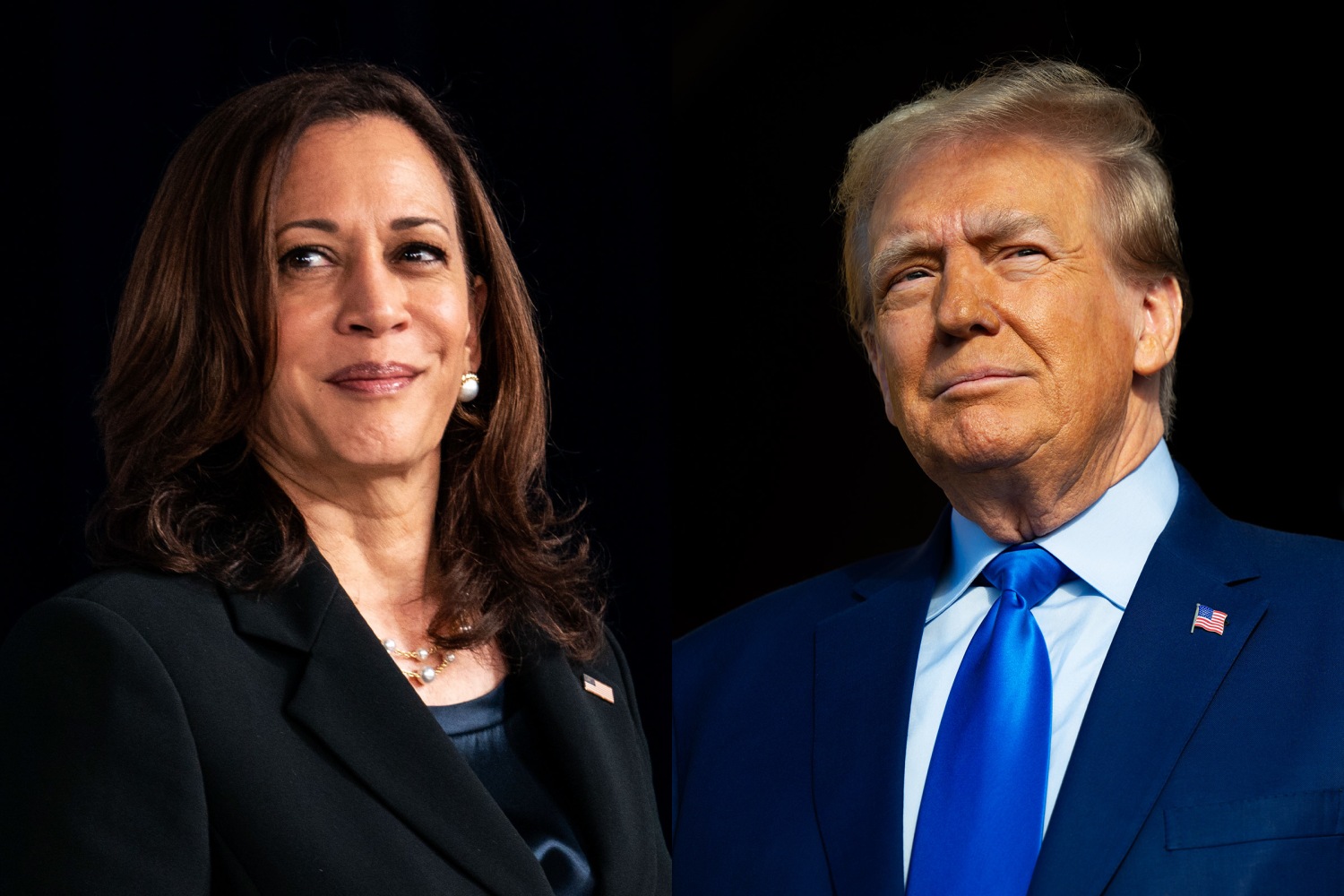
The criticism hit Democrats from multiple angles at once. The video accused Harris and her allies of embracing a style of leadership that prioritizes theatrics over substance, identity talking points over real concerns, and optics over solutions. Whether viewers agreed or disagreed, the message was undeniable: people were frustrated, and many felt the country had dodged a bullet in November by choosing a different direction.
That line—“we dodged one in November”—cracked through the discourse like thunder.
For conservatives, it was a victory lap.
For moderates, it was a warning.
For Democrats, it was a wake-up call.
The video didn’t simply attack Harris. It framed her as the embodiment of a political era that voters had rejected—an era defined by elite disconnect, cultural scolding, and leadership that appeared more polished than practical. It argued that the electorate had chosen change because they were tired of watching leaders laugh, joke, and dismiss concerns while the country struggled.
But the impact wasn’t just political. It was emotional. The commentary resonated because it fed into something deeper: the feeling among millions that the people in power had no idea what ordinary families were dealing with. Medical bills. Rent. Groceries. Safety. Jobs. Uncertainty.
And while some Democrats pushed back, defending Harris and dismissing the commentary as biased or sensational, others quietly admitted that the video reflected a sentiment they had heard privately from voters for months.
By the time the video ended—with the host urging viewers to leave a comment and “give this video a thumbs up”—the damage had been done. Not because of the jokes. Not because of the commentary. But because the clip had tapped into a narrative Democrats have struggled to counter: the idea that they are out of touch with the everyday struggles of the people they claim to champion.
For Harris, the fallout was immediate. Her supporters scrambled to explain the clips. Her critics seized every frame as political ammunition. And undecided voters watching from home were left with a simple but powerful question: Was Kamala Harris the future leader Democrats hoped she could be, or had she become the symbol of why so many voters demanded change?
The answer depends on who you ask. But the conversation isn’t going away. If anything, it is accelerating.
The video proved something that both parties sometimes forget: in modern politics, a single moment—one laugh, one phrase, one viral clip—can redefine a leader’s image overnight.
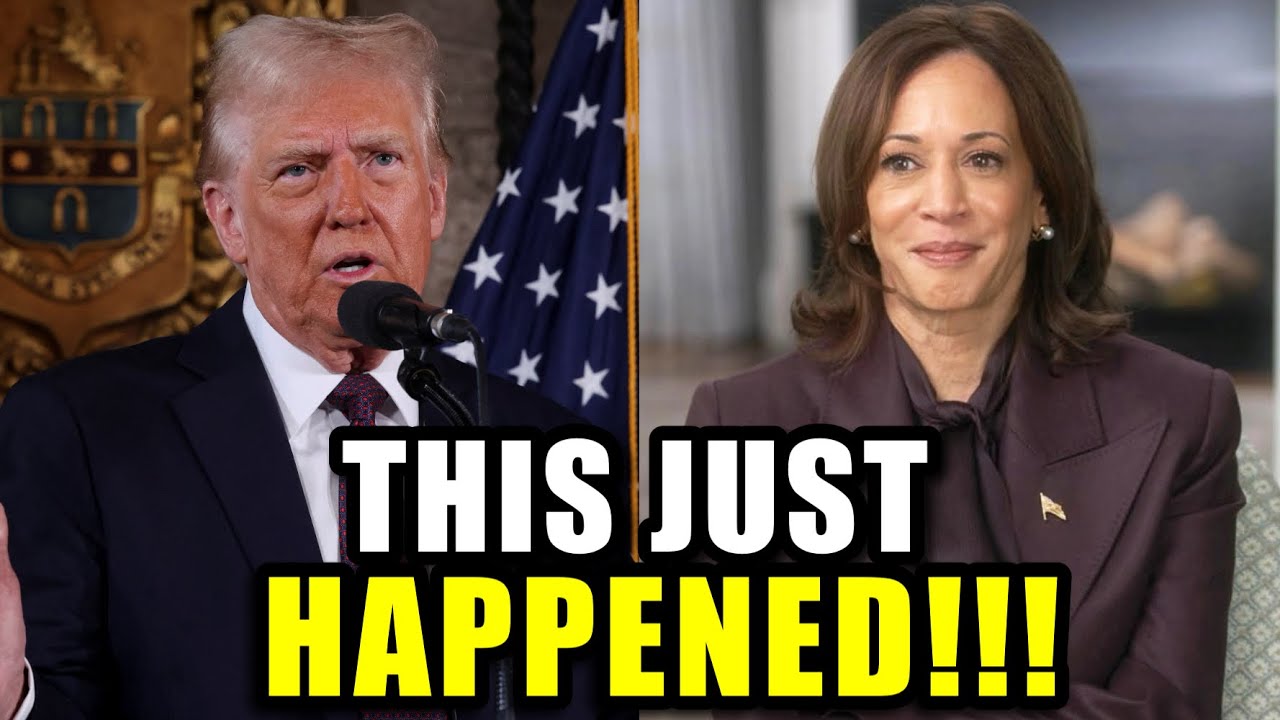
Democrats can’t ignore this moment.
Republicans won’t let them.
And voters are watching more closely than ever.
Because what happened on YouTube wasn’t just a video.
It was a political aftershock.
And the tremors are only beginning.
